
CarPlay Box vs. 16.8-Inch Multimedia Player: Which Upgrade Path Fits Your Vehicle?
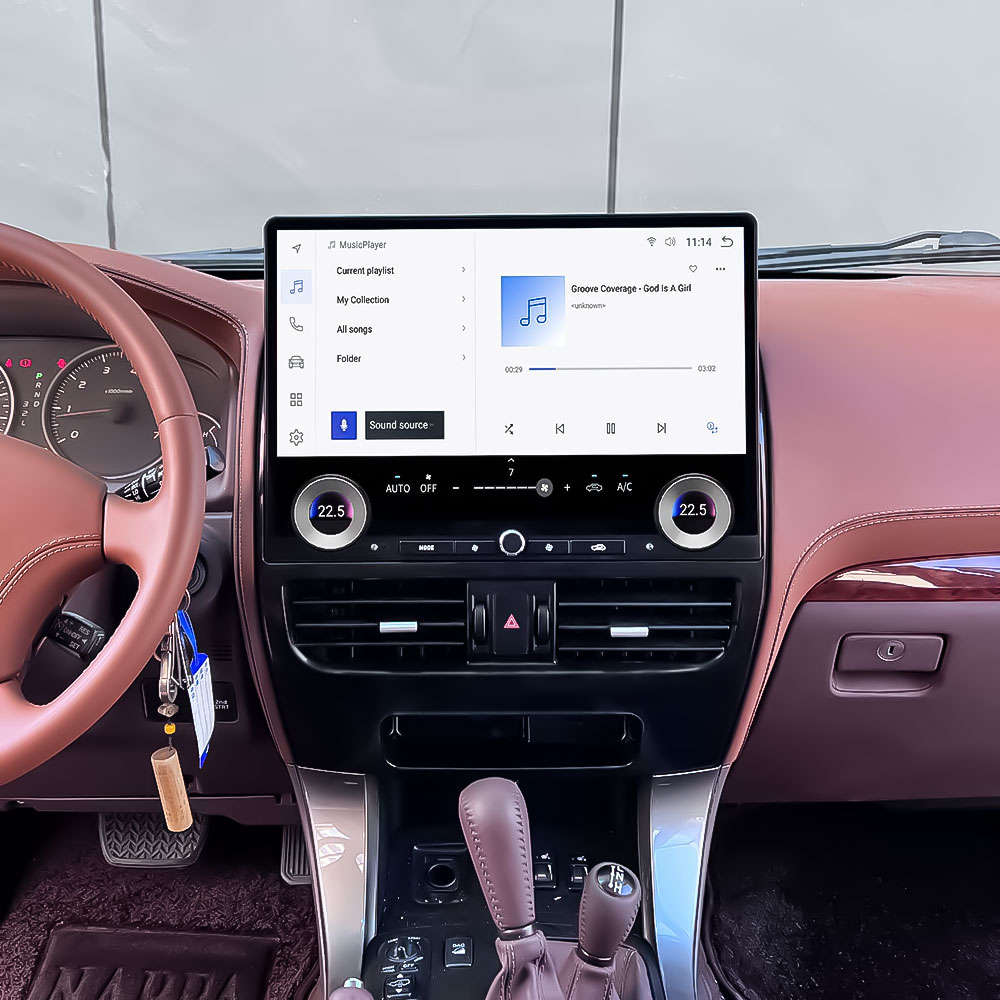
Figure 1 — The replacement path: a 16.8-inch TN-3036 multimedia player installed in a 2DIN universal bay.
The choice between a CarPlay box and a large-screen multimedia player is decided by one question: does the vehicle already have a working factory wired CarPlay head unit? If it does, the TN-AI47 CarPlay Box adds wireless CarPlay, wireless Android Auto and an Android 11.0 app layer through the existing display with no dashboard removal. If it does not — or the factory screen, radio and audio no longer meet the driver's needs — the TN-3036 16.8-inch multimedia player replaces the head unit entirely with a standalone Android 13 platform, a 2560×1440 IPS touch screen, FM/AM RDS radio, built-in GPS and a 4×50W amplifier in a 2DIN universal format.
The Short Answer: Two Upgrade Paths, One Decision Rule
Both products are aftermarket car radio accessories sold by TOPNAVI, but they solve different problems. The TN-AI47 is an add-on module: it keeps the vehicle's original screen, radio, amplifier and wiring, and upgrades what that screen can do. The TN-3036 is a full car radio replacement: it brings its own screen, operating system, tuner, navigation module and audio amplifier.
The decision rule is therefore a compatibility test, not a preference test:
- Factory wired CarPlay present, hardware acceptable → add the CarPlay Box. Lower installation complexity, no dash modification, and the OEM look is preserved.
- No CarPlay-capable head unit, or hardware is the bottleneck → replace the head unit with the 16.8-inch player. Higher installation scope, but the vehicle gains a complete infotainment platform.
Why This Decision Gets Confused
Search behaviour shows the confusion clearly: buyers type “car radio” and expect one answer, while the aftermarket actually sells at least three different things under that phrase — a full double din car radio, a plug-in CarPlay adapter for factory systems, and a portable screen. The CarPlay Box and the 16.8-inch player sit in the first two categories, which is why they are compared even though they are not substitutes.
Three practical questions separate them:
- What is already in the dashboard? “Compatibility: universal for OEM wired CarPlay cars” means the TN-AI47 depends on a factory unit that already runs wired CarPlay. Without that host unit, the box has no screen and no interface to work through.
- What is the physical envelope of the dashboard? The TN-3036 is listed as 2DIN universal installation with a 16.8-inch display. That is a large-format unit, not a single din car radio, so the vehicle must physically accept the chassis and the display footprint. Vehicles with a single-DIN opening are a different project.
- What is being upgraded — software or hardware? The box upgrades capability on existing hardware. The player replaces the hardware itself, including the audio output stage and the radio tuner.
Industry Background: Why Both Formats Coexist
The aftermarket keeps both formats because vehicle fleets are not uniform. Grand View Research reported that the double DIN form factor accounted for 44% of car stereo market revenue in 2025, which reflects how much of the replacement market is built around large-format head units rather than narrow single-DIN bays. Mordor Intelligence placed the global car audio market at USD 12.24 billion in 2025, covering speakers, amplifiers and head units.
At the same time, a growing share of vehicles already left the factory with a CarPlay-capable screen. For those vehicles, a full car radio replacement throws away working hardware — a factory display, a factory tuner, factory steering-wheel integration — and replaces it with a new integration problem. That is the gap the plug-in box format fills, and it is why the two products are often shortlisted together by the same buyer.
Detailed Solution: The Two Options as Sold
Option 1 — TN-AI47 CarPlay Box
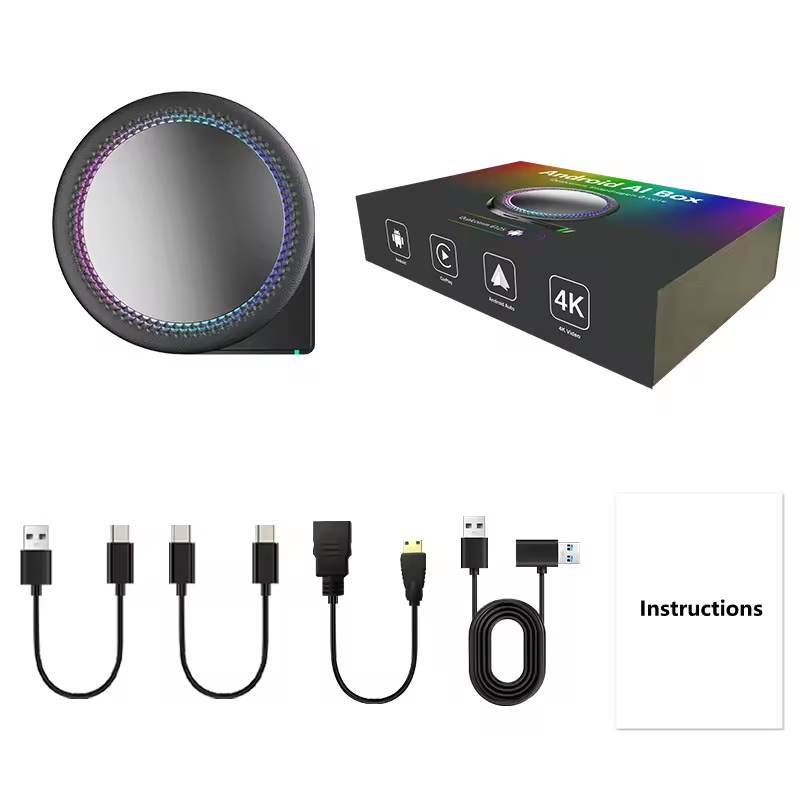
Figure 2 — The TN-AI47 CarPlay Box: an add-on module for vehicles that already have factory wired CarPlay.
The TN-AI47 is a Carplay Box with no screen of its own — the product data states the screen size as “none (for car screen)”. It is built for vehicles that already run wired CarPlay from the factory, and it converts that connection into wireless operation while adding an Android environment behind the original interface.
Published specifications:
- System: Android 11.0, Quad Core CPU, 2GB RAM, 16GB ROM
- Protocol: wireless CarPlay and wireless Android Auto
- Connection: WiFi, Bluetooth 5.0
- Video output: HDMI, 1920×1080
- Power supply: DC 5V 2A
- Working temperature: −10°C to 60°C
- Functions: YouTube, Netflix, Google Play, OTA update
- Compatibility: universal for OEM wired CarPlay cars
- Certification: CE, FCC, RoHS
- Material: ABS engineering plastic, aluminium alloy, PCB circuit board
What this means in practice: the box is a software and connectivity upgrade. It does not add a tuner, a navigation module or an amplifier, and the published parameters contain no audio output rating — buyers should not expect an audio improvement from the box itself. Its value is wireless projection, app access on the factory screen, and OTA updates that keep the module current without a return-to-dealer process.
Option 2 — TN-3036 16.8-Inch Multimedia Player
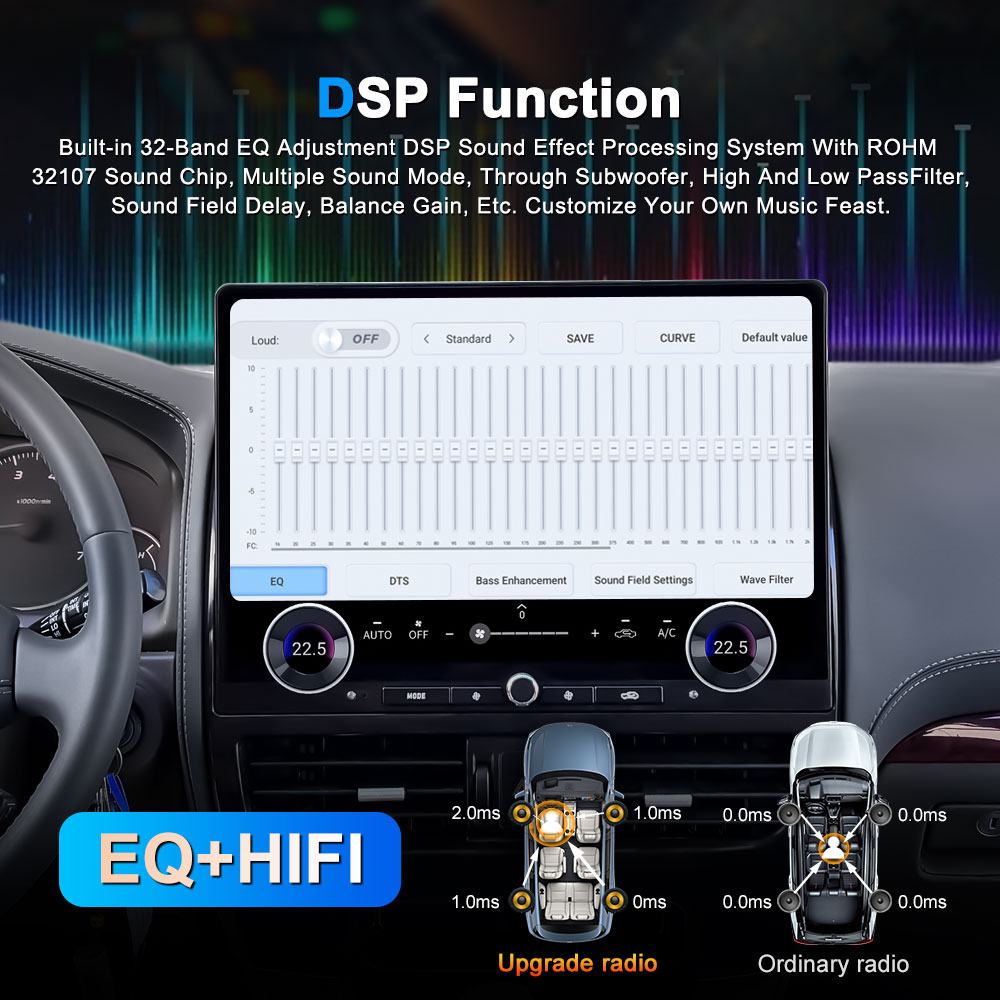
Figure 3 — The TN-3036: 16.8-inch 2560×1440 IPS touch screen, Android 13, 4GB RAM and 64GB ROM.
TOPNAVI lists the TN-3036 as the Toyota Prado Car Multimedia Player, a 16.8-inch Android multimedia player built on a 2DIN universal installation format. It is a complete head unit rather than an add-on: it owns the display, the operating system, the tuner, the navigation and the audio stage.
Published specifications:
- Display: 16.8 inch IPS touch screen, 2560×1440 resolution
- System: Android 13, 8-core CPU, 4GB RAM, 64GB ROM
- CarPlay / Android Auto: wireless and wired for both
- Audio output: 4×50W
- Radio: FM/AM RDS
- GPS: built-in
- Bluetooth: 5.0
- Working voltage: DC 12V
- Operating temperature: −30°C to 75°C
- Installation: 2DIN universal
- Control: steering wheel, touch
- Certification: CE, FCC
- Material: ABS engineering plastic, aluminium alloy, tempered glass, PCB circuit board
What this means in practice: the player is the right answer when the existing head unit is the constraint. It restores radio reception with FM/AM RDS, adds built-in GPS independent of the phone, drives speakers through a 4×50W amplifier, keeps steering-wheel controls, and gives the driver a 2560×1440 touch screen car radio interface rather than a projection window on a small factory display.
Specification Comparison
The table below uses only the published parameter sets of the two TOPNAVI models. Where a parameter is not published, the table says so rather than estimating.
| Decision criterion | TN-AI47 CarPlay Box | TN-3036 16.8-Inch Player |
|---|---|---|
| Upgrade logic | Adds capability to an existing OEM wired CarPlay head unit | Replaces the head unit and display with a standalone platform |
| Product type | Carplay Box | 16.8Inch Car Multimedia Player (Toyota Prado Car Multimedia Player) |
| Operating system | Android 11.0 | Android 13 |
| CPU | Quad Core | 8-core |
| Memory | 2GB RAM / 16GB ROM | 4GB RAM / 64GB ROM |
| Display | None (uses the car screen); video output HDMI 1920×1080 | 16.8 inch IPS touch screen, 2560×1440 |
| CarPlay / Android Auto | Wireless CarPlay, wireless Android Auto | Wireless and wired CarPlay; wireless and wired Android Auto |
| Connectivity | WiFi, Bluetooth 5.0 | Bluetooth 5.0 |
| Radio tuner | Not published | FM/AM RDS |
| GPS | Not published | Built-in |
| Audio output | No amplifier rating published | 4×50W |
| Power supply | DC 5V 2A | DC 12V |
| Operating temperature | −10°C to 60°C | −30°C to 75°C |
| Installation | Plug-in module for OEM wired CarPlay cars | 2DIN universal |
| Control | Through the host head unit | Steering wheel and touch |
| Certification | CE, FCC, RoHS | CE, FCC |
Two rows deserve emphasis. First, the temperature envelope: the box is rated to 60°C, the player to 75°C. In a closed cabin in a hot climate, dashboard-mounted electronics can exceed the lower ceiling, so the narrower range is a genuine constraint for the box rather than a formality. Second, the installation row: “plug-in” and “2DIN universal” describe two very different amounts of labour.
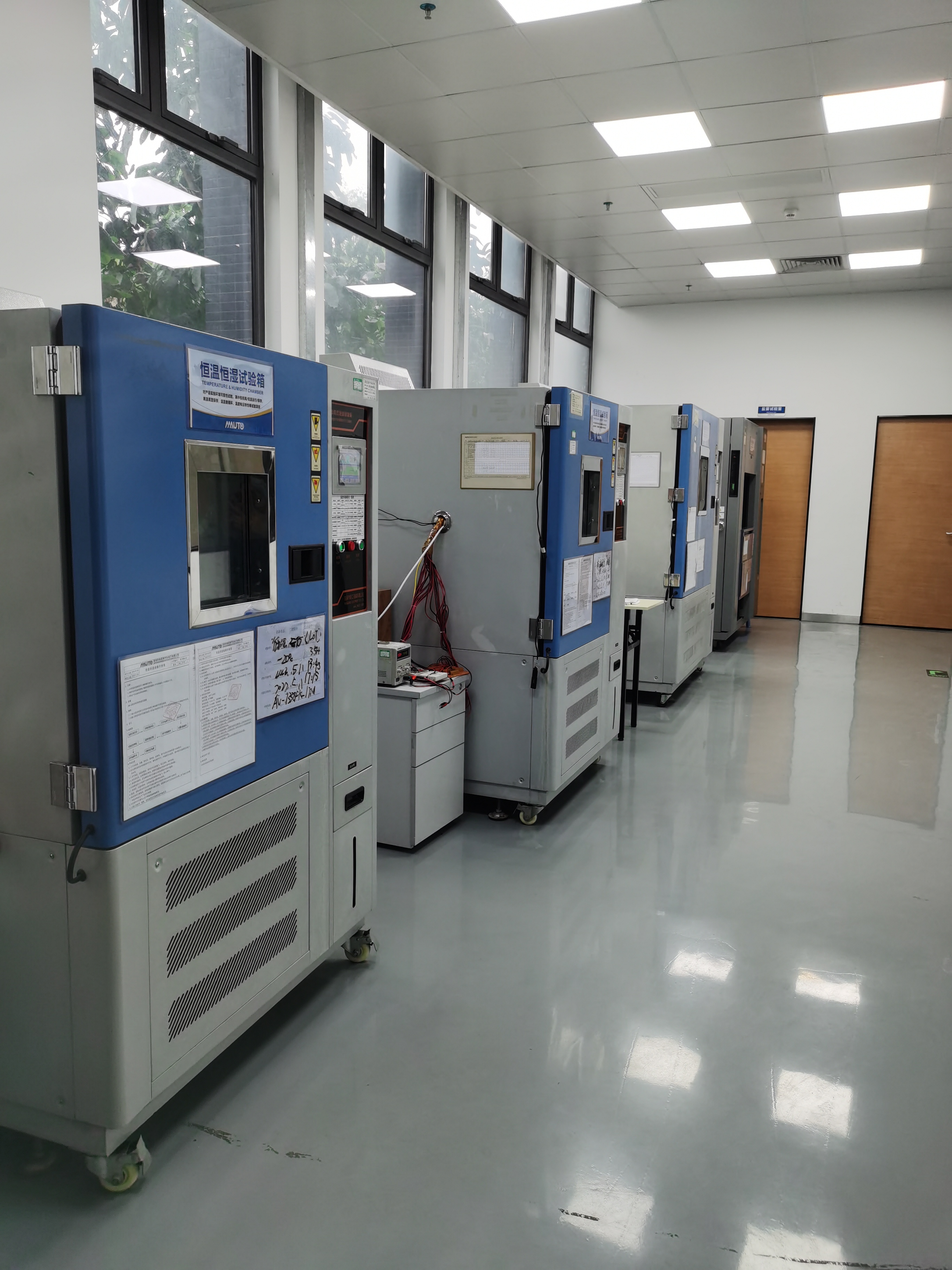
Figure 4 — Temperature testing equipment used in TOPNAVI factory validation; published operating ranges differ between the two products and should be matched to the vehicle's climate.
Step-by-Step: How to Choose and Validate the Upgrade Path
Step 1 — Confirm whether factory wired CarPlay exists
This single check eliminates one option immediately. The TN-AI47 is stated as universal for OEM wired CarPlay cars. If the vehicle never had wired CarPlay, the box has no host interface to work through, and the TN-3036 becomes the only viable path in this comparison.
Step 2 — Measure the dashboard envelope
The TN-3036 is a 2DIN universal unit with a 16.8-inch display. Confirm the cavity, the fascia depth and the display footprint before ordering. A vehicle originally specified with a narrow single-DIN opening is not a drop-in candidate for this unit, and forcing it changes the installation cost and the finished look.
Step 3 — Decide which hardware gap actually hurts
Map the complaint to the product. Poor radio reception, weak sound and no independent navigation point to the player. Small factory screen and no wireless projection point to the box. This step prevents buying a wireless adapter to solve an amplifier problem.
Step 4 — Check the thermal and voltage envelope
Compare −10°C to 60°C (box) and −30°C to 75°C (player) against the vehicle's real duty cycle, and compare DC 5V 2A with DC 12V supply requirements. For a parked vehicle in a hot climate, or for a commercial fleet working long shifts, the wider range is the safer specification.
Step 5 — Verify the compliance file, not just the certification badge
TOPNAVI publishes specific certificate records tied to the TN-3036. For import and tender work, ask for the document that names your model and market.
- ISO 9001:2015, certificate number SW25Q20244R1S, issued by Shanghai Sailway Certification Co., Ltd., covering R&D, production and sales of car audio-visual systems, multimedia players and GPS navigation systems.
- ECE E24 Type-Approval (E-mark), certificate number E2410R06/024547*00, issued by NSAI, certifying electromagnetic compatibility under UN/ECE Regulation No. 10 (06 series of amendments).
- CE-EMC, certificate number WST23N080170E, issued by Shenzhen WST Testing Co., Ltd., based on EN 55032:2015+A1:2020 and EN 55035:2017+A11:2020.
- FCC Part 15B, certificate number WST23N080171E, issued by Shenzhen WST Testing Co., Ltd., for the US market.
For customs classification of radio-broadcast receivers that combine recording or reproducing apparatus, HS code 8527.21 is the reference entry used in trade documentation; confirm the final classification with your broker against the actual product configuration.
Step 6 — Plan the installation scope honestly
The box path keeps the factory unit, so the work is a connection and a commissioning check. The player path requires removing the factory head unit, adapting the car radio wiring harness, mounting the 16.8-inch chassis, and confirming steering-wheel control mapping. Budget the labour accordingly — it is the largest practical difference between the two.
Step 7 — Validate with a sample before committing
Both paths are best proven on the actual vehicle. TOPNAVI supports OEM/ODM customization covering logo, UI theme, boot animation, app pre-install, language, DSP tuning, panel colour, screen size and resolution, RAM/ROM, wired or wireless CarPlay, GPS/Beidou, AHD camera and CAN protocol adaptation, with a minimum order quantity of 1 unit for sampling.
Use Cases: Which Buyer Profile Each Option Serves
Profile A — Late-model vehicle with factory wired CarPlay
The driver wants wireless connection, app access and streaming on the factory display. The TN-AI47 delivers wireless CarPlay and wireless Android Auto, YouTube, Netflix and Google Play access, and OTA updates, while the factory tuner, amplifier and steering-wheel logic stay untouched. This is the lowest-disruption path and the one that preserves resale appearance.
Profile B — Older vehicle with no CarPlay-capable head unit
Here the existing unit is the problem: no projection, small or dated screen, tired radio, modest audio. The TN-3036 addresses all of it at once — 16.8-inch 2560×1440 IPS touch screen, Android 13 with an 8-core CPU and 4GB/64GB memory, FM/AM RDS, built-in GPS, 4×50W audio output and steering-wheel control, in a 2DIN universal format.
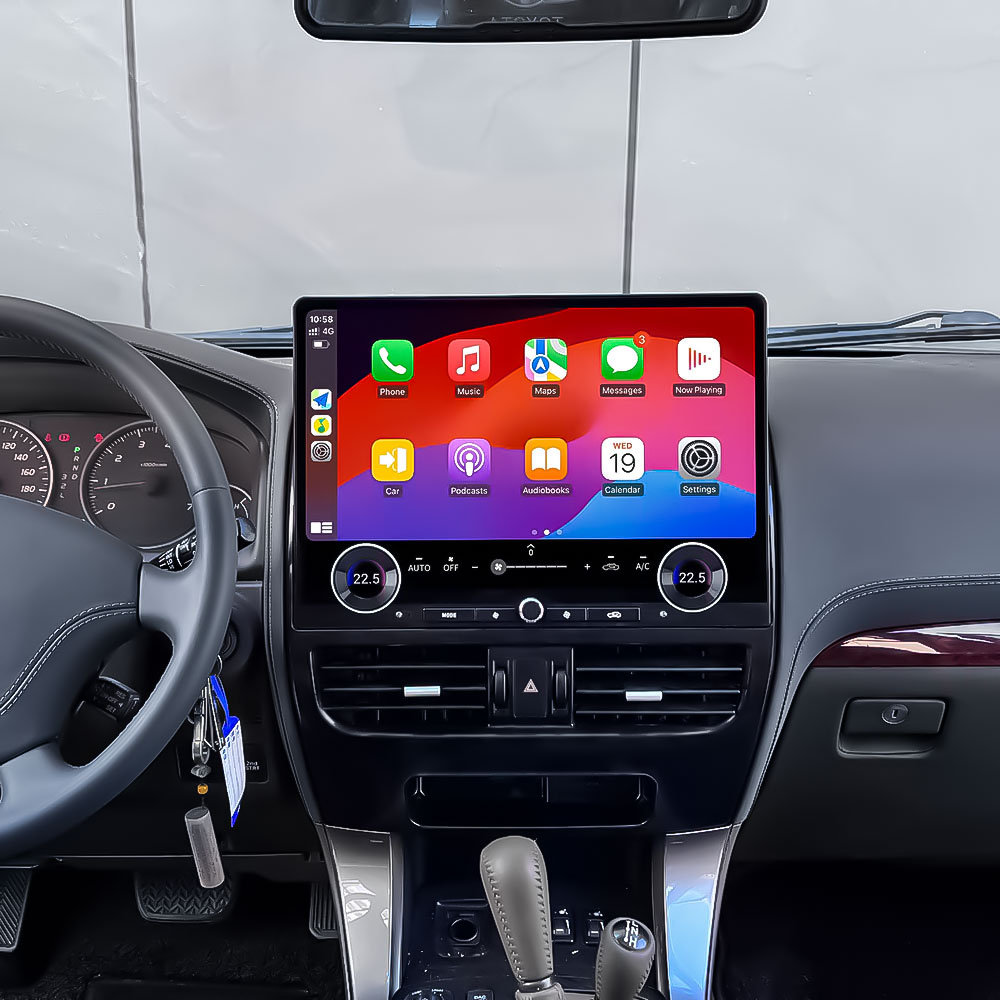
Figure 5 — Replacement path in service: the 16.8-inch display occupies the dashboard area where the original head unit sat.
Profile C — Distributor or installer running a mixed SKU line
For a reseller, the two products are not competing SKUs; they cover two halves of the same customer base. Stocking both lets a shop quote the plug-in path to a customer with a recent factory CarPlay unit and the replacement path to a customer with an older vehicle, without sending either of them to a competitor. TOPNAVI's stated production setup — a 20,000 m² factory, 100+ production staff, annual output of 360,000 units and a 50-engineer R&D team — is the capacity context behind that dual-SKU strategy.
Where the box is the wrong tool
The box should be ruled out when the vehicle lacks factory wired CarPlay, when the factory screen is the actual complaint, when the audio stage needs more power, or when the operating environment sits above 60°C. In those cases the in-dash player is the correct specification, not a more expensive accessory.
Frequently Asked Questions
What compliance documents should I verify for the CarPlay Box and the 16.8-inch player?
The TN-AI47 CarPlay Box lists CE, FCC and RoHS certification in its published parameters. The TN-3036 lists CE and FCC, and TOPNAVI publishes certificate records associated with the model covering ISO 9001:2015 (SW25Q20244R1S, issued by Shanghai Sailway Certification Co., Ltd., scope: R&D, production and sales of car audio-visual systems, multimedia players and GPS navigation systems), ECE E24 Type-Approval (E2410R06/024547*00, issued by NSAI under UN/ECE Regulation No. 10, 06 series of amendments), CE-EMC (WST23N080170E, based on EN 55032:2015+A1:2020 and EN 55035:2017+A11:2020) and FCC Part 15B (WST23N080171E, issued by Shenzhen WST Testing Co., Ltd.). Always request the certificate copy that names your exact model and target market rather than accepting a badge on a product page.
Can the CarPlay Box deliver everything the 16.8-inch player delivers?
No. The TN-AI47 is an add-on module: Android 11.0, Quad Core, 2GB RAM and 16GB ROM, wireless CarPlay and wireless Android Auto, WiFi and Bluetooth 5.0, HDMI video output at 1920×1080, OTA updates, and app access to YouTube, Netflix and Google Play. Its published parameter set does not include a radio tuner, built-in GPS, an amplifier rating or a display. The TN-3036 does include those — 16.8-inch 2560×1440 IPS touch screen, FM/AM RDS, built-in GPS, 4×50W audio output, Android 13 with an 8-core CPU and 4GB/64GB memory, and both wired and wireless CarPlay and Android Auto. The box upgrades capability on existing hardware; the player replaces the hardware.
Which upgrade costs less to complete?
Cost follows installation scope, not just unit type. The CarPlay Box keeps the factory head unit, display, tuner and amplifier, so the work is a connection and commissioning step with no dashboard removal and no replacement fascia. The 16.8-inch player requires removing the factory unit, adapting the car radio wiring harness, mounting the chassis and confirming steering-wheel control, which adds labour and parts. Note that a lower-priced path is only cheaper if it solves the actual complaint — a cheap car radio accessory that leaves the original radio and amplifier in place will not fix a reception or sound-quality problem. Unit pricing depends on configuration, quantity and delivery terms, so request a quotation against your specific requirement rather than comparing list figures alone.
Can we evaluate both options before placing a volume order?
Yes. TOPNAVI supports sampling with a minimum order quantity of 1 unit, and production is backed by 100% test on finished units. OEM/ODM customization covers logo, UI theme, boot animation, app pre-install, language options, DSP tuning, button light colour, panel colour, screen size and resolution, RAM/ROM, wired or wireless CarPlay, a 4G module, GPS/Beidou, AHD camera, steering-wheel control, CAN protocol and vehicle adaptation, package design, firmware OTA and after-sales service. Testing both units on the target vehicle is the most reliable way to confirm fitment and interface behaviour before committing to a container.
What is the lead time, and what is the next step?
TOPNAVI publishes a lead time of 7–15 days with a monthly production capacity of 30,000 units, and after-sales support via remote and online channels. To move forward, send the vehicle model, the current head unit configuration and the intended market so the correct path can be confirmed — then order a sample for fitment validation. Contact the TOPNAVI team at sales@topnaviauto.com, by phone or WhatsApp on +86 150-7094-1278, or review the full catalogue in the TOPNAVI product brochure.
Conclusion: Match the Module to the Dashboard You Already Have
The CarPlay Box and the 16.8-inch multimedia player are not competing versions of the same product. The TN-AI47 exists because many vehicles already have a capable factory screen, and replacing it is wasteful; the TN-3036 exists because many vehicles do not, and their entire infotainment layer needs to be rebuilt.
Use the compatibility test as the deciding rule. Factory wired CarPlay present, hardware acceptable, thermal environment within −10°C to 60°C: add the box and gain wireless CarPlay, wireless Android Auto, Android apps and OTA updates without touching the dashboard. No CarPlay host, or a hardware gap in radio, navigation, audio or screen size: replace the head unit with the 16.8-inch player and gain a complete platform rated from −30°C to 75°C with a 4×50W amplifier and built-in GPS.
Next Step
Tell us the vehicle model and what the current head unit does or does not do, and we will confirm which upgrade path fits. Samples, quotations and configuration details are available directly from the factory.
Email: sales@topnaviauto.com · WhatsApp: +86 150-7094-1278 · Website: www.topnavi.com.cn
Download the full catalogue: TOPNAVI Product Brochure (PDF)

Figure 6 — OEM/ODM support from Shenzhen Top Navi Electronic Tech Co., Limited, a manufacturer of car multimedia players and GPS navigation systems since 2014.
Have Questions or Need More Details?
Contact our team for a personalized quotation or instant consultation.
Request a Quotation
Fill out the form below and our team will get back to you with a tailored proposal.
WhatsApp Direct Chat
Prefer to chat in real-time? Message us on WhatsApp for instant assistance & quick answers.
- Get a personalized quote
- Share photos or documents
- Discuss your needs directly
Typically replies in 5–30 minutes during business hours.