
How to Read a Car Radio Spec Sheet: Screen, CPU, RAM, and OS
A car radio spec sheet should be read in a fixed order — display, processor, memory, operating system, connectivity, audio output, fitment, and compliance — and every field should be written down in the same format before a second supplier sheet is opened. Read that way, a page of seller text becomes a comparable record; read top-to-bottom, it becomes a list of adjectives that cannot be checked against anything.
The short version: screen size is a diagonal measurement in inches and is not the same as resolution; resolution is a pixel count such as 1024×600 on the TS105 or 2560×1440 on the TN-3036; CPU class is a chipset model plus core count, not the word “octa-core” on its own; RAM is working memory and ROM is storage, and both must be stated with capacity and type; the OS entry is an Android or Linux version plus who controls updates. Any field left blank on the sheet is a question for the supplier, not a value to assume.
The examples used throughout this article are two production units from TOPNAVI — Shenzhen Top Navi Electronic Tech Co., Limited, a Shenzhen-based manufacturer of Android car radios, car head units and related in-vehicle multimedia products, founded in 2014. The first is the TS105, a 9-inch IPS 1024×600 Android 14 universal unit; the second is the TN-3036, a 16.8-inch 2560×1440 Android 13 unit. Both are used only to show how spec-sheet language maps to stated product data.
Why Two Car Radio Spec Sheets Often Cannot Be Compared
The core problem is not that suppliers lie. It is that aftermarket head units are described with a vocabulary that has no agreed template. One sheet leads with screen size, another leads with the chipset, a third lists “HD touch screen” with no pixel count at all. A buyer comparing three pages is often comparing three different sets of fields.
Category research on this segment flags the same issue. An HTNXT verified-data review of aftermarket car radio sourcing notes that technical specifications published on e-commerce platforms frequently overstate RAM and Android versions, and it lists the absence of a standardized specification matrix across suppliers as a documented gap in the category. The practical consequence for a distributor or an OEM buyer is straightforward: the spec sheet is a starting document, not a verified test report.
Three failure patterns account for most of the confusion:
- Missing fields. A sheet can be internally consistent and still omit RAM, ROM, Bluetooth version or operating temperature. The published TS105 specification, for example, states screen size, resolution, panel type, OS, CPU class and connectivity, but does not state RAM or ROM capacity.
- Undefined terms. “8-core” describes a core count and nothing else. It does not state the chipset model, the split between performance and efficiency cores, the clock speed, or the process node.
- Mixed units. Resolution may appear as 1024*600, 1024×600 or “HD”; storage may appear as 64GB, 64G or eMMC 64GB. The number is the same; the meaning is not always.
Industry Background: Why the Spec Sheet Carries So Much Weight
Head units sit inside a large accessory market and a narrowly defined customs category at the same time. Mordor Intelligence reports the global car audio market at USD 12.24 billion in 2025, a figure that covers speakers, amplifiers and head units together. Grand View Research reports that the double DIN form factor accounted for 44% of car stereo market revenue in 2025. For customs and documentation purposes, radio-broadcast receivers combined with recording or reproducing apparatus are classified under HS 8527.21.
Those three facts explain why spec sheets are read so closely. Most aftermarket demand now sits in the form factor that carries the largest screen, which means the buying decision has shifted from “does it fit the dashboard” to “what is inside the display”. The spec sheet is where that decision is made — and where it most often goes wrong.
It is also worth stating what the category data does not support. There is no standardized public benchmark for aftermarket head units covering boot time, processor throttling, CarPlay and Android Auto latency, or CAN bus compatibility across vehicle models. Buyers who need those answers have to obtain them from the supplier directly, or through sampling.
The Six Spec Blocks That Decide a Car Radio
1. Screen: Size, Resolution, Panel and Touch Layer
Screen size is the diagonal measurement of the display in inches. Resolution is the horizontal and vertical pixel count. These are different fields and they move independently: the TS105 uses a 9-inch panel at 1024×600, while the TN-3036 uses a 16.8-inch panel at 2560×1440. The TN-3036 therefore carries both a larger diagonal and a higher pixel count — but a sheet that listed only “16.8-inch” would tell a buyer nothing about sharpness.
Panel type is the third field. Both units are listed as IPS with a capacitive touch layer; other TOPNAVI units in the range are listed with QLED or OLED panels. When you compare across suppliers, ask for the panel technology and the touch technology separately, because “touch screen car radio” in a title covers resistive and capacitive designs alike.
2. CPU: Chipset Model, Not Core Count
“Octa-core” is a core count. The useful entry is the chipset model plus the core architecture and clock. The TS105 is listed with a UIS7865 octa-core processor; the TN-3036 is listed as 8-core. Those entries are honest but coarse.
A more informative example from the same range is the TS10, listed with a Unisoc UIS7862S 8-core chipset configured as 2×A75 plus 6×A55 at 2.0GHz on a 12nm process, with a Mali-G523EE GPU at 614.4MHz. That single line shows what a bare core count hides: a two-tier core arrangement, a clock figure, and a manufacturing process. When a supplier writes only “8-core”, those are the four follow-up questions to ask.
3. RAM and ROM: Capacity and Type
RAM is working memory. It holds the running system, the navigation app and the phone-projection session at the same time. ROM is storage, and it holds the operating system image, pre-installed apps and any local map or media data. They are usually written together as “4GB + 64GB”, which is RAM first and ROM second.
The TN-3036 is listed at 4GB RAM and 64GB ROM. The TS10 is listed with LPDDR4X RAM at 4GB, 6GB or 8GB and eMMC storage at 64GB, 128GB or 256GB — a more complete entry, because it names the memory technology and shows that the capacity is configurable. As of publication, the published TS105 specification does not state RAM or ROM. That is not a defect in the product; it is a missing field in the document, and the correct response is a written request to the supplier rather than an assumption.
4. Operating System: Version Plus Update Ownership
The OS field should contain a platform and a version: Android 14 on the TS105, Android 13 on the TN-3036, Android 12 on the TS10, or Linux on units such as the TN-9359 and the TN-M11 motorcycle navigator. Platform and version together tell you which app ecosystem you are working in and roughly how current the software baseline is.
Version alone does not describe performance. What matters alongside it is update ownership: who supplies firmware, and whether updates can be delivered over the air. TOPNAVI lists firmware OTA and app pre-installation among its customization options, which is the relevant entry for a distributor planning a multi-year product life.
5. Connectivity: Bluetooth Version, Wi-Fi Bands, Cellular and Projection
This block is where the most buyer-relevant differences appear. Ask for each item separately:
- Bluetooth: version, not just “Bluetooth supported”. The TN-3036 lists Bluetooth 5.0; the TS105 lists Bluetooth without a version on the published sheet.
- Wi-Fi: band support. The TS10 is listed with 2.4G+5G dual-band Wi-Fi.
- Cellular: whether a SIM slot is present. The TS105 is listed with 3G/4G SIM support; the TN-X23 dual-knob unit is also listed with 4G SIM support.
- USB: port count and limits. The TS10 is listed with 2 USB ports supporting up to 2TB, with a 3-USB option.
- Phone projection: wired versus wireless. The TS105 is listed with built-in wireless CarPlay and Android Auto; the TN-3036 is listed with wireless and wired CarPlay and Android Auto.
6. Audio Output: Amplifier, DSP and Tuner
Audio output is normally written as a per-channel amplifier figure. The TN-3036 is listed at 4×50W; the TS10 is listed with a TDA7851 amplifier at 4×48W maximum, a ROHM BU32107EFV DSP, a 48-band EQ and a signal-to-noise ratio above 90dB. A bare “4×50W” is a starting point — ask whether the figure is a continuous or a maximum rating, and at what supply voltage and distortion level it was measured, because the sheet usually does not say.
The tuner is a separate line. The TS10 is listed with a TDA7703 tuner covering FM 87.5–108.0MHz and AM 522–1710KHz with RDS; the TN-3036 lists FM/AM with RDS; the TN-X23 lists radio IC 4755. If RDS or AM coverage matters in your market, the tuner line is the one to read.
Fitment and Compliance: The Two Blocks Buyers Read Last and Regret Most
Fitment entries look simple and are not. “2DIN universal” on the TN-3036, “dashboard mount, universal fit” on the TS105, and “universal 1DIN dashboard mount” on the TN-UK1105 describe three different installation envelopes. Add the control fields — steering-wheel control, touch control, physical knobs on units such as the TN-X80 and TN-X23 — and the CAN protocol entry, which determines whether the head unit can talk to the vehicle at all. TOPNAVI lists CAN protocol and vehicle adaptation among its customization parameters, which is the field to negotiate when a program targets specific models.
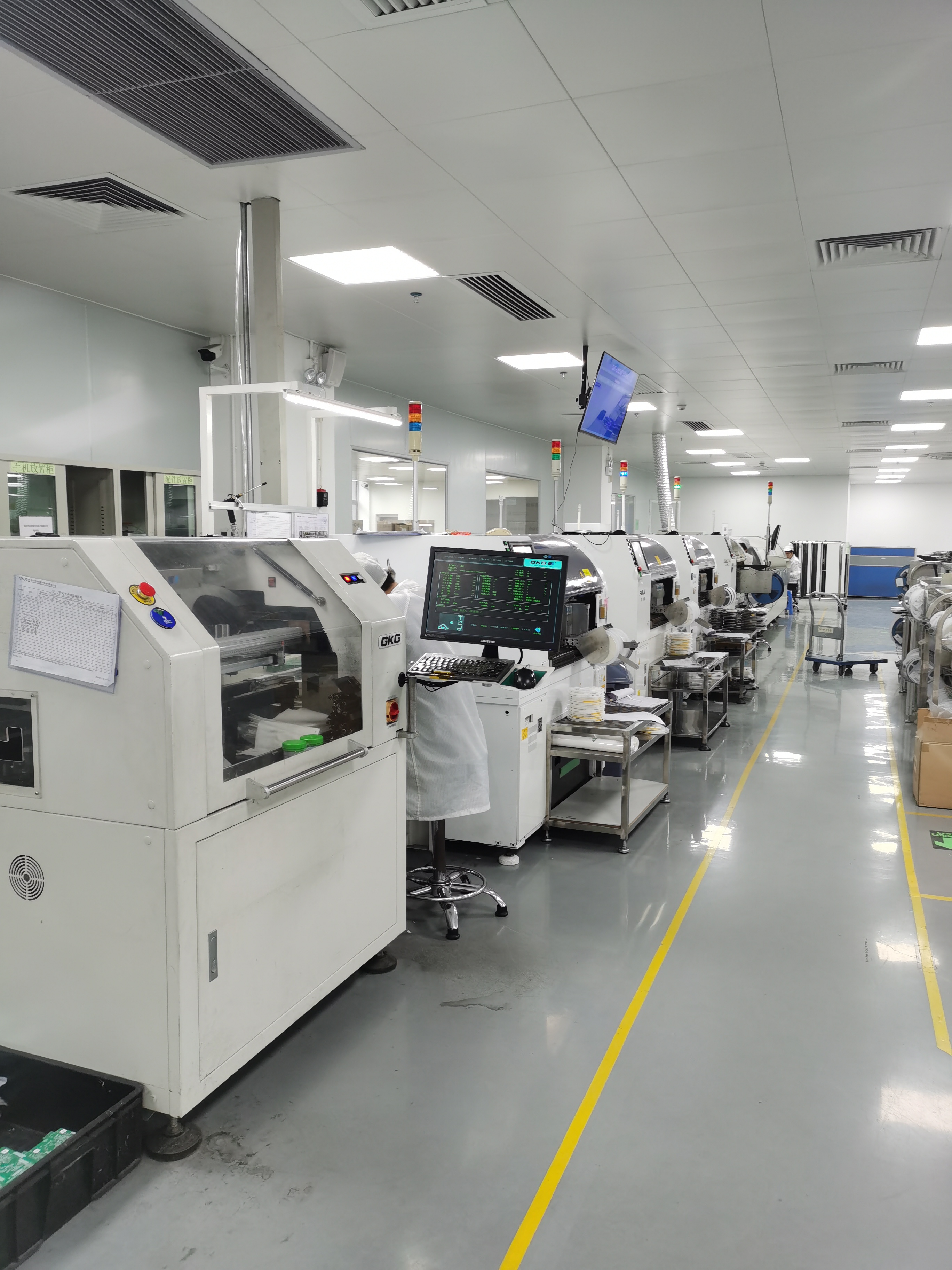
Compliance is the block that decides whether the container clears customs. For the EU, the relevant entry is an ECE type-approval under UN/ECE Regulation No. 10 for electromagnetic compatibility; TOPNAVI holds ECE E24 type-approval certificate E2410R06/024547*00 issued by NSAI. For CE-EMC, certificate WST23N080170E issued by Shenzhen WST Testing Co., Ltd. cites EN 55032:2015+A1:2020 and EN 55035:2017+A11:2020. For the United States, FCC Part 15B certificate WST23N080171E applies. Factory quality management is covered by ISO 9001 certificate SW25Q20244R1S, issued by Shanghai Sailway Certification Co., Ltd. and valid to 10 March 2028. TOPNAVI's certificate records associate units including the TS105 and TN-3036 with these approvals.
A Nine-Step Procedure for Reading Any Aftermarket Car Radio Spec Sheet
The procedure below is deliberately mechanical. Its purpose is to produce a filled template, not an impression.
- Build the template first. Create a spreadsheet with fixed columns: screen size, resolution, panel type, touch type, chipset model, core configuration, clock, RAM capacity and type, ROM capacity and type, OS and version, OTA availability, Bluetooth version, Wi-Fi bands, cellular, USB, CarPlay and Android Auto (wired/wireless), amplifier rating, DSP, EQ, tuner and RDS, operating temperature, DIN size, CAN protocol, steering-wheel control, camera input, and certifications with numbers. Fill it from the sheet, not from memory.
- Read the display block and convert everything to numbers. “HD” becomes a pixel count or it stays an empty cell. Record panel and touch technology separately.
- Read the compute block. Write the chipset model. If only a core count is given, mark the cell “core count only” and put the chipset model on the question list.
- Read the memory block. Record RAM and ROM as separate cells with type. LPDDR4X and eMMC are different entries from a bare capacity.
- Read the OS block. Record platform and version, then ask who owns firmware updates and whether OTA is available.
- Read the connectivity block field by field. Bluetooth version, Wi-Fi bands, SIM support, USB count, and projection type. “Supports CarPlay” without wired or wireless is incomplete.
- Read the audio block. Record the amplifier figure, the DSP part, the EQ range, the SNR if stated, and the tuner chip with frequency ranges.
- Read the fitment block. DIN size, mount type, CAN protocol, steering-wheel control, camera inputs, and the wiring harness arrangement offered with the unit.
- Close the compliance loop. Copy the certificate number, the issuing body and the standard into the template. A statement like “CE certified” is not a certificate number.
When a cell is blank, do not fill it by inference. Send the supplier a short written list: “Please confirm RAM capacity and type, ROM capacity and type, Bluetooth version, and operating temperature for this model.” A supplier who can answer in writing has the data; a supplier who answers with adjectives does not.
How Different Buyers Read the Same Sheet
The template does not change, but the fields that decide the order do.
An online parts retailer building a catalogue
A US online auto parts retailer bought 1,500 units over three years for pickup truck and SUV modification enthusiasts, working from universal 2DIN fitment, wireless Android Auto and built-in GPS navigation. For this buyer, the deciding fields are fitment breadth, projection type, and whether GPS is built in — not the chipset model. Resolution matters only where it changes the product photo or the listing claim.
An OEM preparing a pre-install program
An automotive OEM client in Germany took 2,000 units over four years for factory pre-installation in new energy vehicle models. At that level, the deciding fields invert: certification scope, operating temperature, CAN protocol and firmware control come first, and screen size becomes a styling decision. The TN-3036 spec sheet, for example, states an operating temperature of −30°C to 75°C; the TS10 states −30°C to +75°C working and −40°C to +85°C storage. Those lines exist to be checked, not to be assumed.
A retrofit chain standardising stock
A car modification chain in Mexico took 1,000 units over 2.5 years for after-sales upgrades at used-car dealerships and private owners. Here the control fields dominate: physical knobs on the TN-X80 and TN-X23, steering-wheel control, and an installation envelope the shop's technicians already know. A specification that a technician cannot install repeatedly is a specification problem regardless of the processor inside.
Volume buyers in cold or high-variance climates
An aftermarket modification shop client in Russia installed 5,000 units over two years for audio and navigation retrofit; an OEM client in Brazil took 10,000 units over two years for used-car upgrades; a modification shop client in Korea installed 2,500 units over three years. In each case the first question on the sheet is the same: which environmental and fitment limits are stated, and which are missing. Where a temperature range is absent — as on the published TS105 specification — it becomes a written question, not a guess.
Side-by-Side: Three Units Read Through the Same Template
The table below applies the same fields to three TOPNAVI units. Where a field is not stated on the published specification, the cell says so — which is exactly how the template should look when it is complete.
| Spec field | TS105 (9-inch universal) | TN-3036 (16.8-inch) | TN-X23 (12.3-inch dual knob) |
|---|---|---|---|
| Screen size | 9 inch | 16.8 inch | 12.3 inch |
| Resolution | 1024×600 | 2560×1440 | Not stated on sheet |
| Panel and touch | IPS, capacitive touch | IPS touch screen | QLED capacitive touch |
| Operating system | Android 14 | Android 13 | Android 13 |
| CPU entry | UIS7865 octa core | 8-core | UIS8581A 8-core, 1.6GHz |
| RAM / ROM | Not stated on sheet | 4GB / 64GB | 4GB / 64GB |
| Bluetooth | Bluetooth (version not stated) | Bluetooth 5.0 | Not stated on sheet |
| Connectivity | USB, built-in Wi-Fi, wireless, Bluetooth, 3G/4G SIM | Built-in GPS, FM/AM RDS | 4G SIM support, built-in GPS |
| Phone projection | Built-in wireless CarPlay and Android Auto | Wireless and wired CarPlay, Android Auto | Wireless CarPlay, wired Android Auto |
| Audio output | Not stated on sheet | 4×50W | 4×50W |
| Installation | Dashboard mount, universal fit | 2DIN universal | 2DIN universal, full metal body with cooling fan |
| Certifications listed | E-mark, CE, FCC | CE, FCC | Not stated on sheet |
| Operating temperature | Not stated on sheet | −30°C to 75°C | Not stated on sheet |
Read across the “not stated” cells. They are the most useful result of the exercise: five of them sit in a single column, which tells a buyer exactly what to put in the first email. A sheet that answers every field is easier to compare; a sheet with gaps is still usable, provided the gaps are treated as questions.
Frequently Asked Questions
Which certifications should an aftermarket car radio carry before import?
At minimum, verify the market-specific entries rather than the word “certified”. For the EU, an ECE type-approval under UN/ECE Regulation No. 10 covers electromagnetic compatibility; TOPNAVI holds ECE E24 type-approval E2410R06/024547*00 issued by NSAI. CE-EMC certificate WST23N080170E, issued by Shenzhen WST Testing Co., Ltd., cites EN 55032:2015+A1:2020 and EN 55035:2017+A11:2020. For the United States, FCC Part 15B certificate WST23N080171E applies. Factory quality management is covered by ISO 9001 certificate SW25Q20244R1S, issued by Shanghai Sailway Certification Co., Ltd. and valid to 10 March 2028. Record the number, issuing body, standard and model coverage — a certificate that does not list your model is not model coverage.
Can a supplier change screen size, RAM/ROM or the operating system for my program?
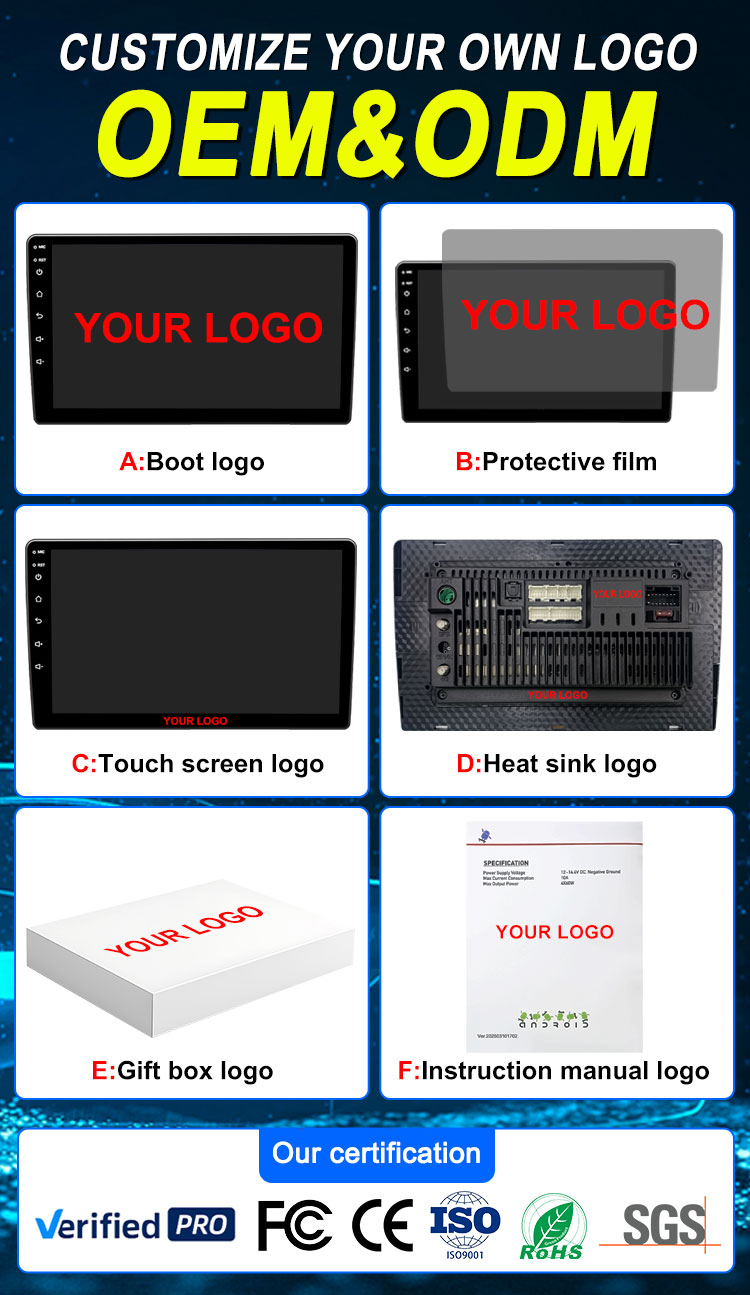
Yes, where the supplier operates an OEM/ODM model. TOPNAVI provides OEM and ODM production and lists customization across logo, UI theme, boot animation, app pre-installation, language, DSP tuning, button light colour, panel colour, screen size and resolution, RAM and ROM, wired or wireless CarPlay, 4G module, GPS/Beidou, AHD camera, steering-wheel control, CAN protocol, vehicle adaptation, packaging and firmware OTA. Customization changes the specification, so the quotation and the spec sheet must be issued together as one configuration.
Why do two spec sheets that look identical sit in different budget bands?
Because the fields that differ are usually the ones a short sheet does not show: panel technology and resolution, RAM and ROM capacity and type, a cellular module, a DSP and higher-rated amplifier, custom tooling for a panel or housing, certification scope for an additional market, and retail packaging. Two units can both read “Android, 8-core, touch screen” and still differ on most of those lines. The workable approach is to lock a configuration first, then request a quotation against that exact configuration, so the comparison is between products rather than between descriptions.
Can I validate a spec sheet with a sample before placing a bulk order?
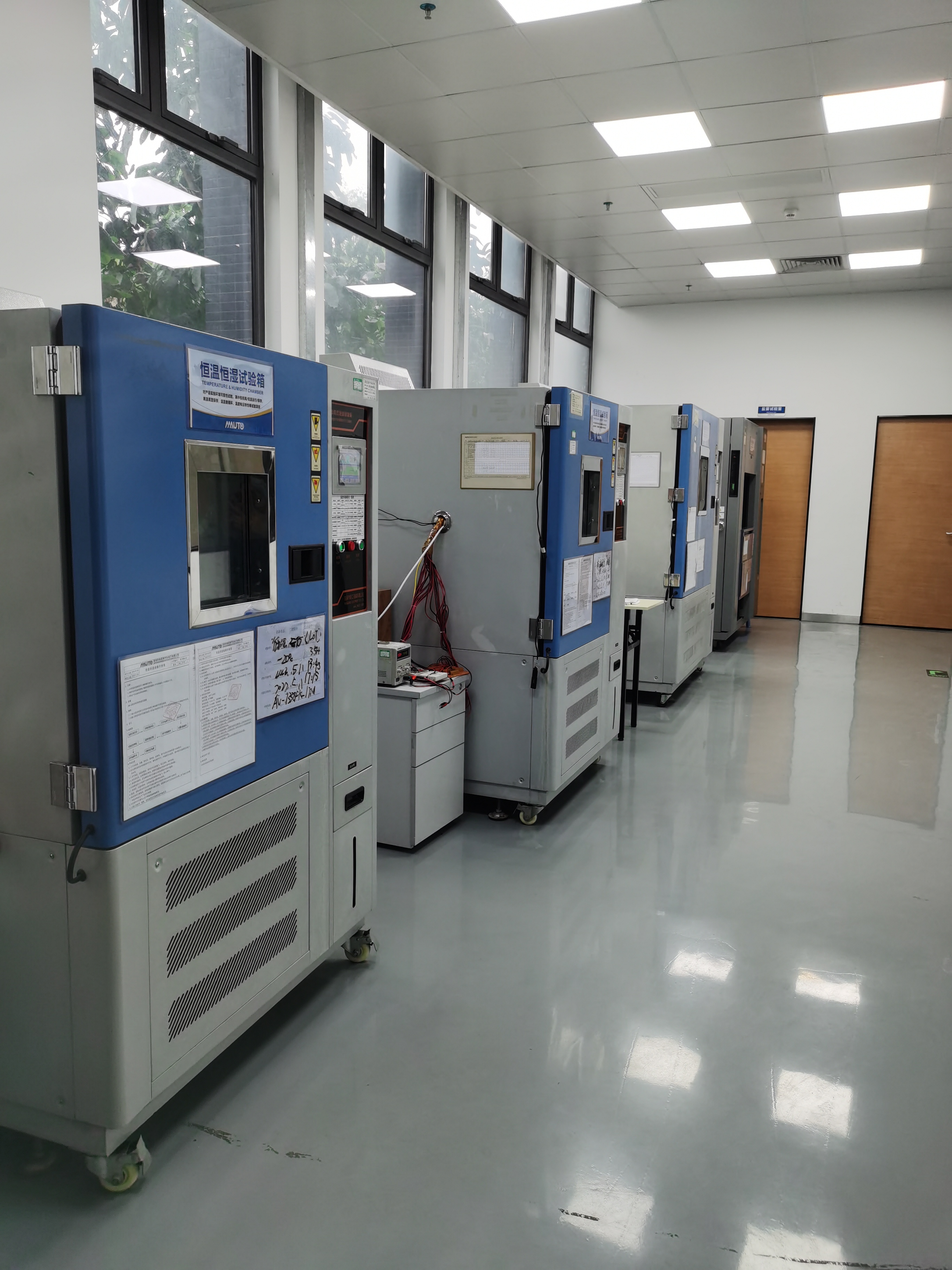
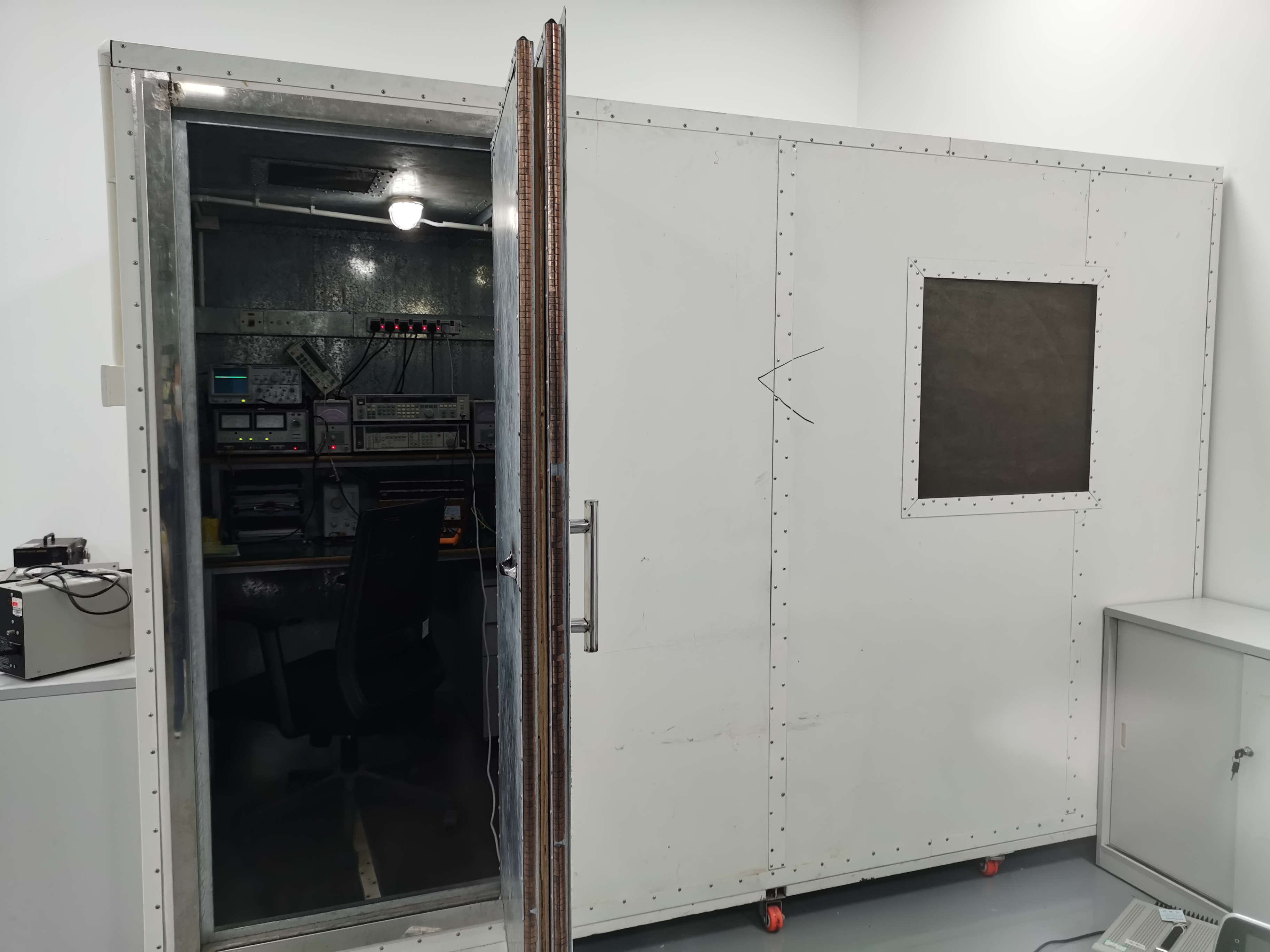
Yes, and sampling is the only reliable way to confirm fields the sheet cannot settle, such as boot behaviour, projection stability or installation fit. TOPNAVI lists a minimum order quantity of 1 unit and a lead time of 7–15 days, so a single sample unit can be ordered before a program is committed. Sample confirmation is part of the acceptance process, and every unit is given a 100% full function test before shipment; customer on-site inspection is accepted and third-party inspection through SGS or TUV is supported.
What lead time and production capacity should I plan around?
TOPNAVI lists a 7–15 day lead time, a monthly capacity of 30,000 units and an annual output of 360,000 units, produced in a 20,000 m² factory with more than 100 production staff and a 50-engineer R&D team; 95% of output is exported. For a program with a fixed launch date, the practical sequence is to confirm the configuration in writing, order a sample, and place the bulk order against the approved sample. To start that sequence, send your target specification to sales@topnaviauto.com or request a sample and configuration-locked quotation through topnavi.com.cn.
Conclusion
A car radio spec sheet is a document to be decoded, not read. Fix the field list first, convert every entry into a number or a named part, and treat blank cells as open questions. Do that consistently and the two units used here become easy to separate: the TS105 answers the display, OS, projection and connectivity questions at 9 inches and 1024×600 on Android 14, while the TN-3036 answers them at 16.8 inches and 2560×1440 on Android 13 with 4GB RAM, 64GB ROM and a stated 4×50W output. What remains — RAM and ROM on the TS105, operating temperature on both sheets' less complete columns — is precisely what a written supplier question and a sample unit are for.
Next step: read one sheet with your own fields filled in
Send TOPNAVI your target configuration — screen size and resolution, chipset preference, RAM and ROM, OS version, projection type, fitment and destination market — and request a sample plus a configuration-locked quotation. The full product and OEM/ODM range is documented in the catalogue.
Download the TOPNAVI product catalogue (PDF) · topnavi.com.cn · Email: sales@topnaviauto.com · WhatsApp: +86 150-7094-1278
Have Questions or Need More Details?
Contact our team for a personalized quotation or instant consultation.
Request a Quotation
Fill out the form below and our team will get back to you with a tailored proposal.
WhatsApp Direct Chat
Prefer to chat in real-time? Message us on WhatsApp for instant assistance & quick answers.
- Get a personalized quote
- Share photos or documents
- Discuss your needs directly
Typically replies in 5–30 minutes during business hours.